Land Measurement in Islamabad: Complete Guide
If you’re buying, selling, or developing property in Islamabad, understanding land measurement isn’t just helpful it’s essential. Yet most resources leave you confused with incomplete information, conflicting unit conversions, and no practical guidance on what actually matters when you’re standing on a plot of land trying to make a six or seven-figure decision.
This guide fills every gap. Whether you’re a first-time buyer worried about getting cheated, an overseas Pakistani navigating from abroad, or a developer planning a commercial project, you’ll find exactly what you need here.
Why Land Measurement Matters More Than You Think
Let me start with a story that happens too often in Islamabad: A buyer purchases a “10 marla” plot in Bahria Town. The paperwork says 10 marla. The payment was for 10 marla. But when they finally get the land surveyed before construction, it measures 9.5 marla. That’s a loss of 125 square feet, potentially worth hundreds of thousands of rupees.
This isn’t rare. It’s disturbingly common. And it happens because people trust without verifying, don’t understand measurement standards, and don’t know their rights.
The Units That Actually Matter in Islamabad
Marla: The King of Residential Measurement
In Islamabad, if you’re dealing with residential plots, you’re dealing with marlas. One marla equals 272.25 square feet or 25.29 square meters. This British colonial measurement has become so ingrained that even young, educated buyers think in marlas rather than square feet.
The practical reality: When someone says “5 marla,” they mean approximately 1,361 square feet. When they say “10 marla,” that’s about 2,722 square feet. These are the sweet spots for middle-class housing in Islamabad’s various sectors.
Here’s what most articles won’t tell you: Marla sizes can vary slightly based on who’s measuring and how old the survey is. Always insist on square feet or square meters as the legal measurement in your documentation, with marla mentioned only as reference.
Kanal: For the Affluent and Farmhouses
One kanal equals 20 marlas, or 5,445 square feet. This is your upper-middle-class to elite measurement. If you’re looking at properties in F-6, F-7, or farmhouses on Islamabad Highway, you’ll hear kanal constantly.
Buyer beware: A “1 kanal plot” in a housing society advertisement might actually be slightly less when surveyed. The difference between 5,445 square feet and 5,200 square feet is a 4.5% discrepancy on a 5 crore property, that’s potentially 22.5 lakh rupees of value.
Square Feet and Square Meters: The Legal Standard
While marlas and kanals dominate conversation, your sale deed from the Capital Development Authority (CDA) or any legal documentation will ultimately reference square feet or square meters. One square meter equals 10.764 square feet.
Critical insight: CDA’s official records use square meters. Housing societies often use square feet in their documentation. This creates confusion that dishonest dealers can exploit. Always know both measurements for your property.
Acre: For Agricultural and Large Commercial Land
One acre equals 43,560 square feet or 8 kanals. If you’re looking at agricultural land in the Islamabad rural areas or large commercial developments, acres become relevant.
Most buyers never need to think in acres, but if you’re considering farmland in Simly Dam area, Chak Shahzad, or along Islamabad Expressway, understanding acres prevents confusion when brokers switch between units mid-negotiation.
The Critical Conversion Table You Should Screenshot
- 1 Marla = 272.25 square feet = 25.29 square meters
- 5 Marla = 1,361.25 square feet = 126.45 square meters
- 10 Marla = 2,722.5 square feet = 252.90 square meters
- 1 Kanal = 5,445 square feet = 505.80 square meters = 20 marlas
- 1 Acre = 43,560 square feet = 4,046.86 square meters = 8 kanals
Pro tip: Take a screenshot of this table. When a dealer is showing you properties and switching between units to confuse you about prices, pull this up and do the math on the spot.
How Land Is Actually Measured in Islamabad: The Process Explained
Official CDA Surveys
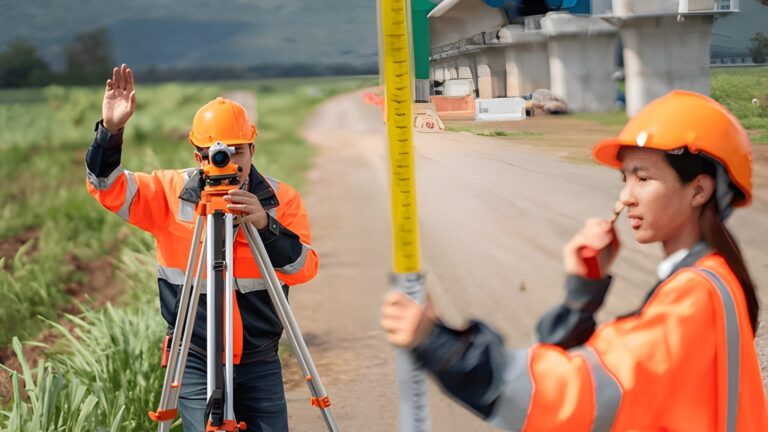
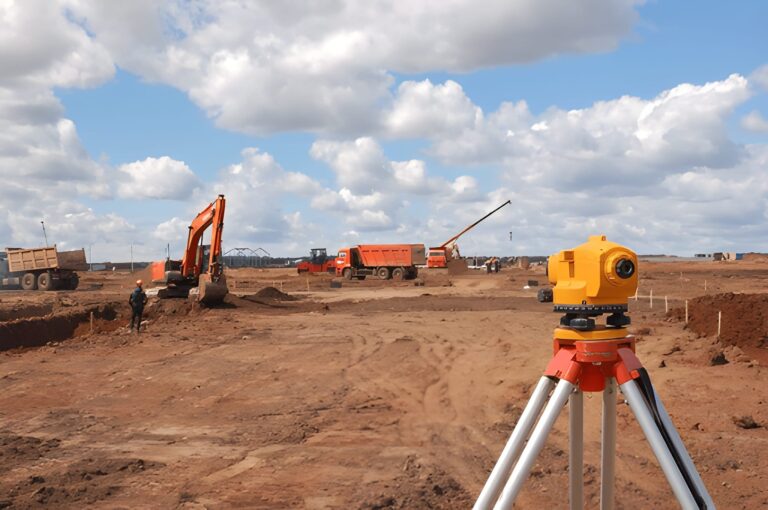
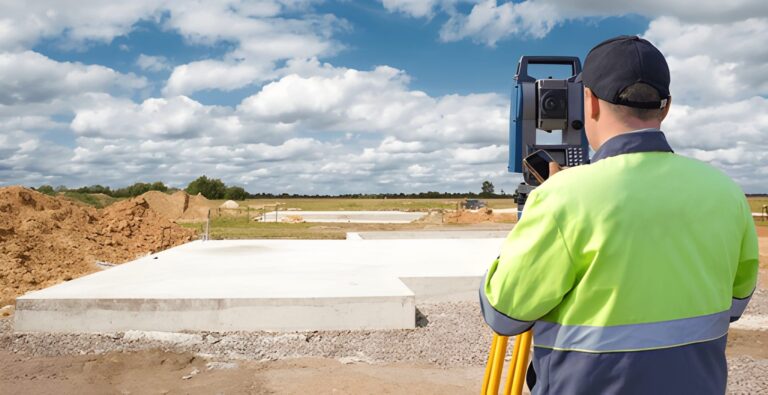
The Capital Development Authority uses licensed surveyors who employ total stations (electronic distance measurement instruments) and GPS technology. These surveys are legally binding and become part of your property documentation.
What you need to know: An official CDA survey costs between 15,000 to 50,000 rupees depending on plot size and location accessibility. This seems expensive until you realize it protects you from measurement fraud worth potentially millions.
The process takes 7-14 days and requires you to provide your allotment letter or transfer documents. The surveyor will physically visit the site, mark boundaries, and provide a detailed measurement report with coordinates.
Private Housing Society Measurements
Societies like Bahria Town, DHA Islamabad, and others conduct their own measurements. These are generally reliable for well-established societies, but newer or less reputable societies may have discrepancies.
Red flag warning: If a housing society refuses to provide you with exact measurements in writing before you pay your down payment, walk away. Legitimate societies will give you plot dimensions, exact square footage, and even a site plan showing your plot’s boundaries.
Independent Survey Companies
You can hire private survey companies for 10,000 to 30,000 rupees. This is wise when buying in areas where the seller seems evasive about exact measurements or when purchasing older properties where boundary disputes exist.
Licensed surveyor companies in Islamabad include firms like Pakistan Engineering Services, Islamabad Survey Associates, and various smaller operations. Always verify their license with the Pakistan Engineering Council.
The Measurement Frauds You Must Watch For
The “Approximately” Scam
A dealer shows you a “10 marla plot” and all verbal communication references 10 marla. But the paperwork says “approximately 10 marla” or lists dimensions that, when calculated, equal 9.7 marla.
Your protection: Before any payment, insist on exact measurements. If they say “approximately,” respond: “I need exact measurements before proceeding. Please provide a recent survey report.”
The Boundary Encroachment
Your plot measures correctly on paper, but a neighbor has built their boundary wall 2-3 feet into your property. This is extremely common in older sectors and housing societies with weak enforcement.
Your protection: Walk the entire boundary of any plot you’re considering. Look for permanent structures (walls, buildings) on adjacent plots. If boundaries seem unclear, that’s not a small issue to resolve later it’s a deal-breaker until legally clarified.
The Paper Size vs. Ground Reality Gap
The sale deed says one measurement, but the actual plot is smaller. This happens through clerical errors, old incorrect surveys, or outright fraud.
Your protection: Never complete a purchase without an independent survey, especially for plots over 50 lakh rupees. The 20,000 rupee survey cost is insurance against a potentially million-rupee mistake.
The Unit Confusion Trick
A particularly clever fraud: advertising a plot in square feet to make it sound larger, then switching to marlas for price negotiation to make it seem cheaper, then using square meters in documentation to obscure the actual size.
Example: “1,800 square feet plot for just 65 lakh!” sounds like 6.6 marlas at a decent price. But in conversation, they mention “about 6 marla plot,” and your brain anchors to 6 marlas. The documentation shows 167 square meters, which is actually 1,796 square feet—you’ve lost 4 square feet, but more importantly, you never clearly understood what you were buying.
Your protection: Choose one unit (preferably square feet) and mentally convert everything to that unit throughout the entire transaction.
Sector-by-Sector Measurement Realities in Islamabad
CDA Sectors (E, F, G, I)
These are the most standardized. Plot sizes are well-defined: 5 marla, 10 marla, 1 kanal, and 2 kanal are the standard categories. CDA documentation is generally accurate, but plots sold on secondary market need verification since boundaries may have been altered over decades.
Buyer tip: In older sectors like F-6, F-7, G-6, insist on a fresh survey even if buying from a seemingly reputable owner. Boundary walls built in the 1970s or 1980s may not align with original plot demarcations.
Bahria Town Islamabad
Generally reliable measurements in phases with complete possession. Phases 1-8 are well-documented. However, in newer phases or extention areas, verify that the plot size you’re promised matches what will actually be delivered after development.
Watch out for: Plots near the boundary of Bahria Town sometimes have access or size issues. Always verify the plot is not in a disputed zone near the society’s legal boundaries.
DHA Islamabad
Excellent documentation standards. DHA provides detailed plot maps, coordinates, and measurements. However, DHA Islamabad is still developing various phases, so ensure your plot in undeveloped phases matches the promised dimensions once development completes.
Specific concern: If buying in newer phases, get written confirmation of exact measurements that will apply after development and road allocation.
Top City, Capital Smart City, Blue World City (New Societies)
Higher risk of measurement issues because development is ongoing. What’s marketed as “10 marla” might end up being less after roads and amenities are finalized.
Critical protection: Only buy in blocks where development is complete and possession has been given. Get independent survey of possessed plots. For unpossessed plots, ensure your agreement specifies exact square footage and includes penalties if delivered size is smaller.
Rural Islamabad Land (Zone III, IV, V)
Highest risk area for measurement fraud. Agricultural land often has unclear boundaries, disputed ownership, and measurements that vary wildly between what’s claimed and what’s real.
Essential steps:
- Understand that “1 acre” of agricultural land might actually be 0.85 acres when properly surveyed
- Hire a surveyor before even making an offer
- Verify ownership through patwari records
- Check that neighboring landowners agree with the claimed boundaries
The Legal Framework: Your Rights and Documentation
What Your Sale Deed Must Include
Your property documentation should contain:
- Exact measurements in square feet or square meters (marlas can be mentioned but shouldn’t be the only measurement)
- Plot number and block designation
- Boundary descriptions (north, south, east, west)
- Reference to the survey report number
- Coordinates (in modern transactions)
If any of these are missing, your property rights are not fully protected.
CDA’s Role and Responsibilities
CDA is responsible for maintaining accurate land records in sectors under its jurisdiction. If you discover measurement discrepancies in CDA sectors, you can file a complaint with CDA’s land directorate.
Reality check: CDA’s complaint resolution is slow. Expect 6-12 months minimum for any measurement dispute resolution. This is why verification before purchase is infinitely better than complaints after purchase.
Legal Recourse for Measurement Fraud
If you discover you’ve been defrauded on measurements:
- Document everything get an official survey showing the discrepancy
- Send a legal notice to the seller demanding rectification or compensation
- File a complaint with the Federal Ombudsman if the seller was a housing society
- Consider civil court litigation, though this can take years
Honest advice: Legal recourse is difficult, expensive, and time-consuming in Pakistan. Your best protection is thorough verification before purchase, not legal action after fraud.
Practical Measurement Scenarios: What To Do
Scenario 1: You’re Buying Your First 5 Marla Plot in Bahria Town
Steps:
- Ask the seller for the plot’s exact measurements in square feet
- Verify this should be approximately 1,361 square feet (5 marla)
- Request a copy of Bahria Town’s plot map showing your specific plot
- Visit the plot and take basic measurements yourself using a measuring tape for the length and width
- Multiply length × width to get approximate square footage
- If your calculation differs from claimed size by more than 2%, insist on a professional survey before proceeding
Cost: Your own verification is free except for a measuring tape. Professional survey if needed: 15,000 rupees.
Scenario 2: You’re an Overseas Pakistani Buying in DHA Islamabad
Steps:
- Have your local representative visit the plot
- Hire a surveyor independently (don’t use one recommended by the seller)
- Get the survey report sent to you digitally with photographs showing the surveyor’s measurements
- Cross-reference with DHA’s official plot map, which they should provide
- Only proceed when your independent survey matches DHA’s documentation
Cost: Survey 20,000-30,000 rupees. This is non-negotiable protection when you can’t physically verify yourself.
Scenario 3: You’re Buying Agricultural Land Near Islamabad
Steps:
- This is high-risk territory, hire a surveyor before even negotiating price
- Check the patwari records for the land measurement on official records
- Physically walk the boundaries with the surveyor and the seller
- Insist that neighboring landowners sign a document acknowledging the boundaries
- Get a lawyer to verify the documentation matches the survey
Cost: Survey 30,000-50,000 rupees for larger agricultural plots. Legal verification 25,000-50,000 rupees. This seems expensive, but agricultural land fraud is rampant and these costs protect you from losing much more.
Scenario 4: You’re Buying an Older Property in F-7
Steps:
- Understand that F-7 plots from the 1980s may have boundary walls that don’t match original plot boundaries
- Get an official CDA survey, this is essential, not optional
- Compare the current boundary walls with the official survey
- If there are discrepancies, this must be resolved before purchase (either the seller fixes it or you negotiate a price reduction)
- Check with neighboring plot owners about any boundary disputes
Cost: CDA survey 25,000-40,000 rupees.
Tools and Technology for Modern Measurement
Mobile Apps That Help
Several apps can assist with basic measurements:
- Google Earth (free): Shows plot outlines and approximate dimensions for many Islamabad areas
- GPS Fields Area Measure (free on Android): Lets you walk a plot’s boundary and calculates area
- Measurement and dimensioning tools in mapping apps
Reality: These are useful for preliminary verification but never replace professional surveys for legal purposes.
Hiring Professional Surveyors: What to Expect
A professional surveyor will:
- Visit the site at a scheduled time
- Use total station or GPS equipment
- Mark plot corners and boundaries
- Take precise measurements
- Provide a written report with diagrams
- Give you coordinates that can be verified
The report should be on their letterhead, signed, stamped, and include their license number.
How to find reliable surveyors: Ask your lawyer for recommendations, check Pakistan Engineering Council’s website for licensed surveyors, or contact the Civil Engineering Department at universities like NUST who often provide survey services.
The Questions You Should Ask Before Buying
These questions, asked directly and firmly, will save you from most measurement-related problems:
To the seller: “What is the exact measurement of this plot in square feet?”
“Do you have a recent survey report I can review?”
“Are there any boundary disputes with neighboring plots?”
“Will you agree to a verification clause in our agreement that allows me to get an independent survey before final payment?”
To the housing society: “What is your policy if the delivered plot is smaller than the sold size?”
“Can you provide written confirmation of the exact measurements?”
“How do you handle measurement disputes?”
To the surveyor: “Are you licensed with the Pakistan Engineering Council?”
“What equipment will you use for the survey?”
“How long will the survey take and what will the report include?”
“What is your fee structure?”
Red Flags That Should Stop You Immediately
- Seller refuses to allow an independent survey
- Measurements are only given verbally, never in writing
- Documentation uses only “approximately” without exact figures
- Different documents show different measurements for the same plot
- Neighboring plot owners mention ongoing boundary disputes
- The plot price seems significantly below market value (there’s usually a reason)
- Seller pressures you to complete transaction quickly without proper verification
- Survey reports are old (more than 2-3 years) and seller won’t get a fresh one
If you encounter any of these, either resolve them completely or walk away. There are thousands of properties in Islamabad you don’t need this specific one if it comes with red flags.
What Most Buyers Get Wrong
Mistake 1: Trusting Without Verifying
“The seller seemed honest” is not a verification method. Even honest sellers can be mistaken about measurements if they never had the property surveyed themselves.
Mistake 2: Skipping Survey to Save Money
Spending 20,000 rupees seems wasteful on a 1 crore purchase, until you realize that 2% measurement fraud on 1 crore is 20 lakh rupees lost.
Mistake 3: Not Understanding What They’re Buying
Many buyers can’t tell you the dimensions of their plot in any unit. They know it’s “10 marla” but not that this means roughly 50 feet × 55 feet or that the exact area is 2,722.5 square feet.
Mistake 4: Accepting “Standard Size” Without Verification
“All plots in this block are standard 5 marla” doesn’t mean your specific plot is exactly 5 marla. Variations exist.
Mistake 5: Relying Only on Society Documentation
Even reputable societies can have errors. Independent verification protects you from both fraud and honest mistakes.
The Future of Land Measurement in Islamabad
The Future of Land Measurement in Islamabad
CDA and various housing societies are slowly moving toward digital land records with GPS coordinates and satellite mapping. This will eventually reduce fraud, but we’re years away from complete digitization.
Until then, you are your own best protection.
Your Action Plan: What to Do Right Now
If you’re actively looking to buy:
- Educate yourself fully on the units used in Islamabad you’ve done this by reading this guide
- Save the conversion table from earlier in this article to your phone
- Get recommendations for 2-3 reliable surveyors before you find a property you like
- Set aside budget for survey costs (20,000-40,000 rupees) as a non-negotiable expense
- Make a checklist of documents you’ll require from any seller before proceeding
- Visit plots physically whenever possible, even if it means an extra trip to Islamabad
If you’ve already bought but never verified measurements:
- Get a survey done now, especially if you’re planning construction
- If discrepancies exist, consult a property lawyer about your options
- Document everything for potential future legal action
Final Thoughts: Buying with Confidence
Islamabad’s property market can seem intimidating, especially around measurement issues. But armed with the right knowledge, you can navigate it confidently.
Remember: every single measurement question you ask, every verification you insist upon, every survey you commission is protecting your financial future. The seller who gets offended by your due diligence isn’t someone you want to do business with anyway.
Your goal isn’t just to buy land it’s to buy exactly what you’re paying for, with complete legal clarity and zero ambiguity. In Islamabad’s property market, that requires you to be informed, assertive, and willing to verify everything.
The difference between a good property investment and a nightmare is often just a 20,000 rupee survey and the confidence to walk away when something doesn’t check out.
Buy smart. Measure twice. Own with confidence.